俄罗斯并未停止“绞肉机”战术,只是缩小了份量
Russia Didn’t Stop the ‘Meat-Grinder’. It Downsized the Portions
By: Giorgio Provinciali
Live from Ukraine
Kramatorsk – Describing small groups of two to four Russian attackers attempting to penetrate vulnerable points in the Ukrainian defenses by moving on foot, often at night, and minimizing communications, “The Telegraph” used misleading language to claim that «Russia abandons ‘meat-grinder’ tactics». This phrase is incorrect because it confuses tactical form with operational logic.
As I’ve already explained, the concept of the front has become porous. In less than five years, the Ukrainian battlefield has gone from a line to a volume. Previously, it was conceived along a single axis, as a line of contact between two forces. Then the war of drones, guided artillery, and deep-seated rear areas added the Y axis, transforming it into a horizontal band extending for tens and then hundreds of kilometers. Today, with drones and reconnaissance balloons, mesh networks, loitering munitions, glide bombs, electronic warfare, and layered air defense systems, the Z axis has also been fully integrated: height. The front is a volume within which every man, antenna, vehicle, drone, and radio signal occupies a position, a trajectory, leaves a signature, and marks a vulnerability.
Consequently, the concept of rear areas has also evaporated. When the front becomes a volume, the attacker can no longer just push a line. They must work to insert themselves between the layers: beneath the drones, inside the ruins, in the sensor blind spots, in the gaps of electronic warfare coverage, within the folds of the defense, at night, during rotation periods, and in the spaces between one ISR node and another.
If we add a fourth implicit variable, time, this three-dimensional view of the battlefield gains an additional layer that helps explain why Moscow has not abandoned the meat grinder but has modified it to fit the new shape of war.
Seeing vast masses of human material destroyed over many months in such short timeframes that it becomes impossible to replenish losses, Moscow splits its infantry into small groups, disperses them in the gray zone, weakens their communications, moves them at night, and connects them via drones that act as eyes and guides. Then there’s tactical timing, which influences events we live on the ground and depends on factors like drone latency, the speed of the kill chain, and the cycle length needed to identify an infiltrator group, relay its position, assign a target, and execute the strike.
In the realm of volume, those who shorten the gap between discovery and destruction dominate. Russia aims to survive by lowering its signature; Ukraine aims to win by decreasing latency.
To an outside observer, Russian infiltrations may seem ‘new’ but in reality, they are a forced response to an increasingly transparent battlefield, whose stratification they measure.
Underground, tunnels run through a fortress belt that the occupiers have been unable to conquer for 12 years, along with those pipelines – like the gas ones near Kupiansk – they try to infiltrate through flames, floods, and landslides, often ending up trapped in dead-end tunnels. The ground is littered with sensors, passive mines, and now active ones, such as ‘sleeping’ drones, along with an ever-growing number of Ukrainian unmanned units that don’t bleed but – as the robots President Zelensky mentioned two weeks ago – have for the first time in history captured several Russian army positions, forcing the occupiers to surrender. At low altitudes, looping munitions and FPV drones – including fiber optics ones – escort infantry movements hidden among ruins, vegetation, and depressions. At intermediate altitudes, balloons, reconnaissance UAVs, relays, and radio nodes enable fire correction and continuous observation, allowing monitoring and real-time adjustment of fortifications, earthworks, dragon’s teeth, fences, and troop movements. At higher altitudes, long-range drones, missiles, glide bombs, radar, and air defense systems operate. Above and around all of this lies the electromagnetic spectrum, which is invisible but influences every level.
The form has changed, but the logic remains that of human attrition, which Moscow has granularized by no longer focusing on immediate breakthroughs but on progressive penetration.
This shift from human wave tactics to micro-infiltration is fundamental to the crisis facing the traditional front line. Moscow continues to use expendable troops to drain Ukrainian drones, ISR efforts, and the command time of Ukrainian operators who are forced to discover, track, pursue, and eliminate them. These small groups of cannon fodder are guided and supported by drones that ease the burden on ground command, shifting control upward. As I explained from Dobropillia, these expendable units can infiltrate, disrupt, outflank, and saturate Ukrainian attention, but they cannot produce a strategic breakthrough alone without reserves, logistics, firepower, equipment, engineering, rotations, and consolidation capabilities.
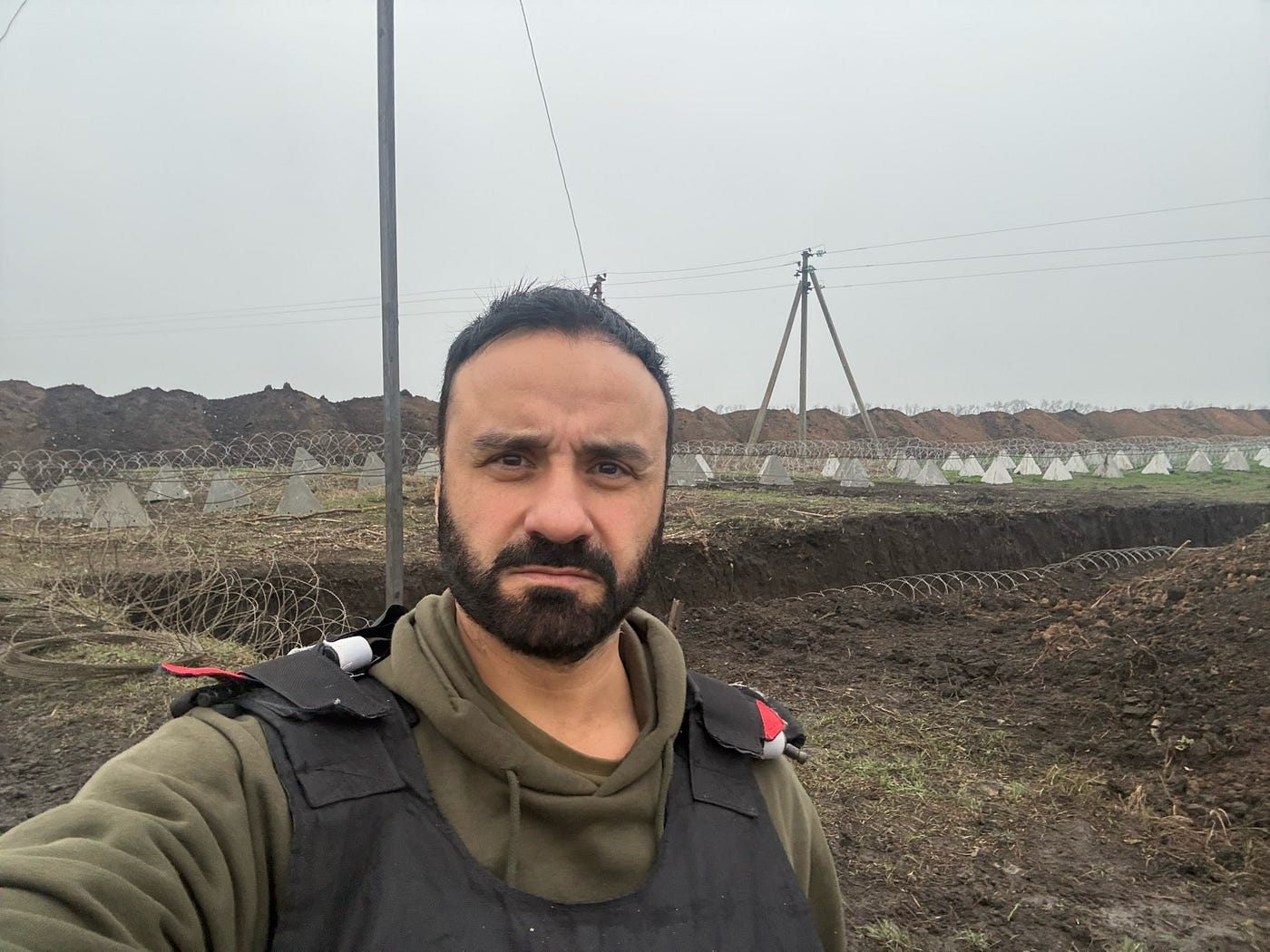
A glance at the real-time images on the Delta monitors (the unified system at the core of the interoperability of the Trident Armed Forces) is enough to see that the Russian ‘meat-grinder’ has not disappeared at all, but has changed, adapting to a new environment that no longer allows Moscow to grind men in the same crude way as before.
However, trying to spread them out across space by breaking the mass into micro-units does not mean a more modern or less wasteful approach.
The battlefield no longer rewards mass as such. It forces it to break apart.
But by fragmenting, the Russian mass loses effectiveness: more assaults, less territory, more human consumption per square kilometer.
It’s the ‘meat-grinder’ of the drone era: no longer a massive wave crushing the line, but thousands of small impacts within a monitored area, where each meter gained costs more than the last.

Moscow hasn’t stopped consuming men; it has just learned the hard way to do so in smaller doses, within a gray area that the widespread use of drones has made too visible for the old human wave tactics.
The Telegraph’s idea of ??an almost rationalizing or humanizing evolution of Russian tactics is wrong. There is nothing more inhumane than all this.
The equation is straightforward: no longer compensable losses plus increasingly widespread Ukrainian surveillance equal the impossibility of concentrating large masses without destroying them even before contact.
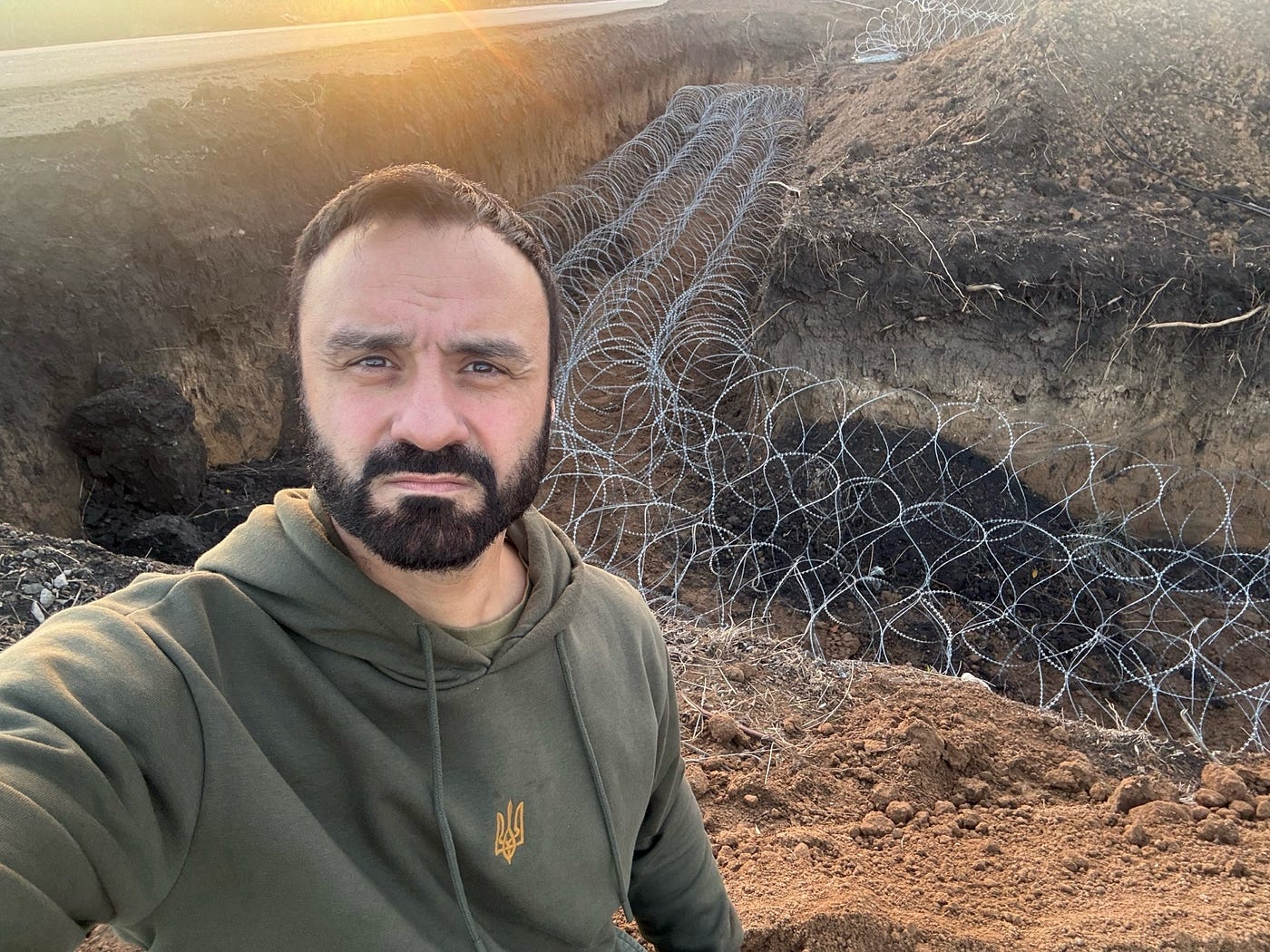
In 1.532 days of war, we recorded over 250 videos from ground zero and wrote more than 1,500 articles.
We are doing our best to provide genuine, first-hand reports from zones where almost no press dares to go. This means living in a kill zone constantly. We take the risk, but without your invaluable support, our voices would remain unheard and silent. Without brave people sharing our articles from afar, they would remain unread. Our reports would go unseen, and our efforts would be lost. There’s still a lot of work to do here, as the people around us are also in no better situation.
We’re renewing our fundraising campaign and thanking everyone who joins us in helping to restore what Russia is destroying. Moving forward with only a small reimbursement for each article from a brave newspaper that believes in us is extremely challenging. That’s why we are grateful to all the kind people who support us and trust in our mission.
Even a small donation helps.
We’ll keep you updated on developments.
Thank you all, dear friends
俄罗斯并未停止“绞肉机”战术,只是缩小了份量
作者:Giorgio Provinciali
翻译:旺财球球
乌克兰前线报道
克拉马托尔斯克 ——《电讯报》用“俄罗斯放弃‘绞肉机’战术”这样的误导性表达来描述由两到四名俄军组成的小型小组;这些小组通常徒步行动、常在夜间推进、尽量减少通讯、试图突破乌克兰防线的薄弱点。这种说法是不正确的,因为它混淆了战术形式与作战逻辑。
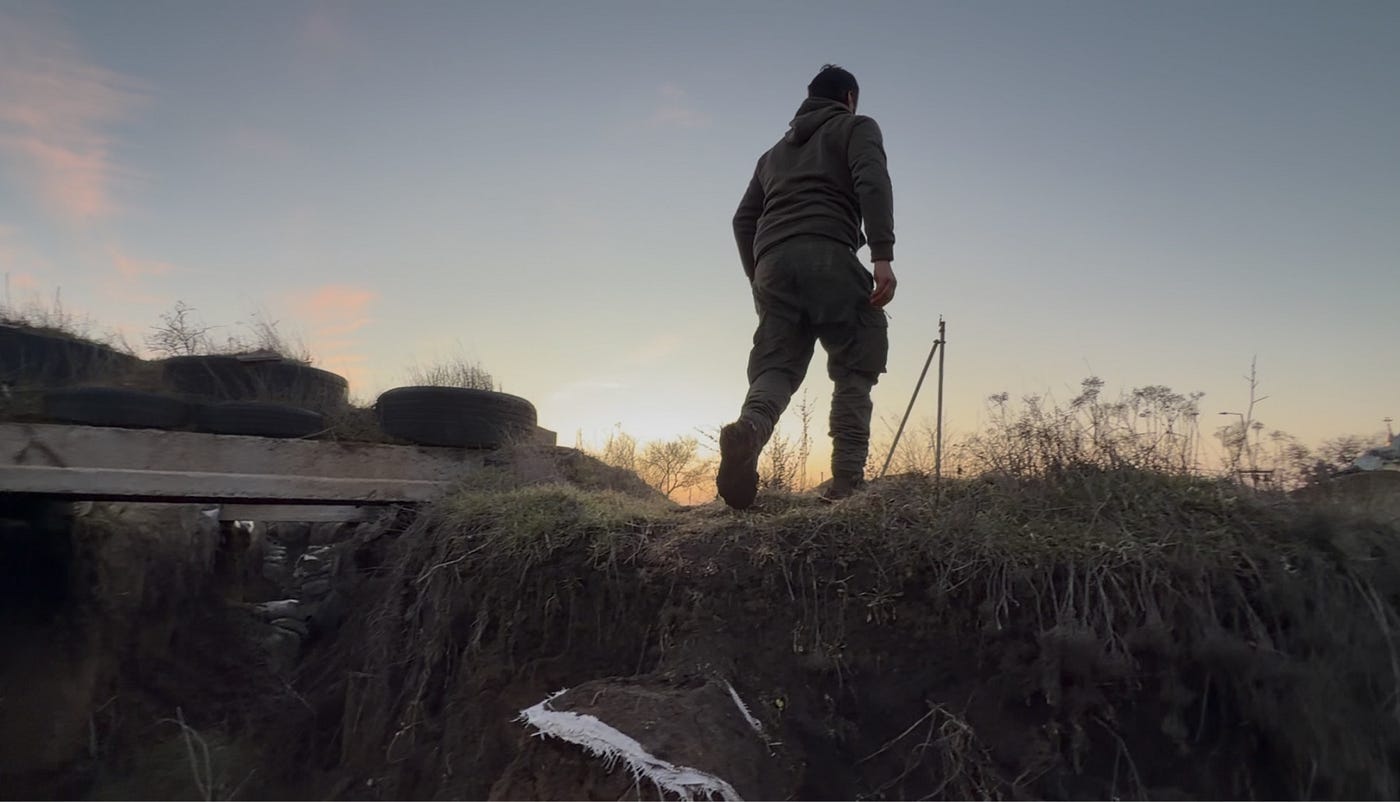
(图:我从乌克兰战壕里出来——版权所有,Giorgio Provinciali)
正如我此前已解释过的,前线的概念已变得不合时宜。在不到五年的时间里,乌克兰战场已经从一条线变成了一个立体空间。过去它被设想为两军之间沿单一轴线形成的接触线。随后,无人机、制导火炮和纵深后方的加入使战场增加了Y轴,变成横向延伸数十甚至数百公里的带状地带。如今,随着无人机、侦察气球、网格化网络、包围性弹药、滑翔炸弹、电子战和分层防空系统的出现,Z轴:高度,也被完全融入。阵线成为一个立体结构,在其中每个人、天线、车辆、无人机和无线电信号都有位置与轨迹、留下特征并构成漏洞。
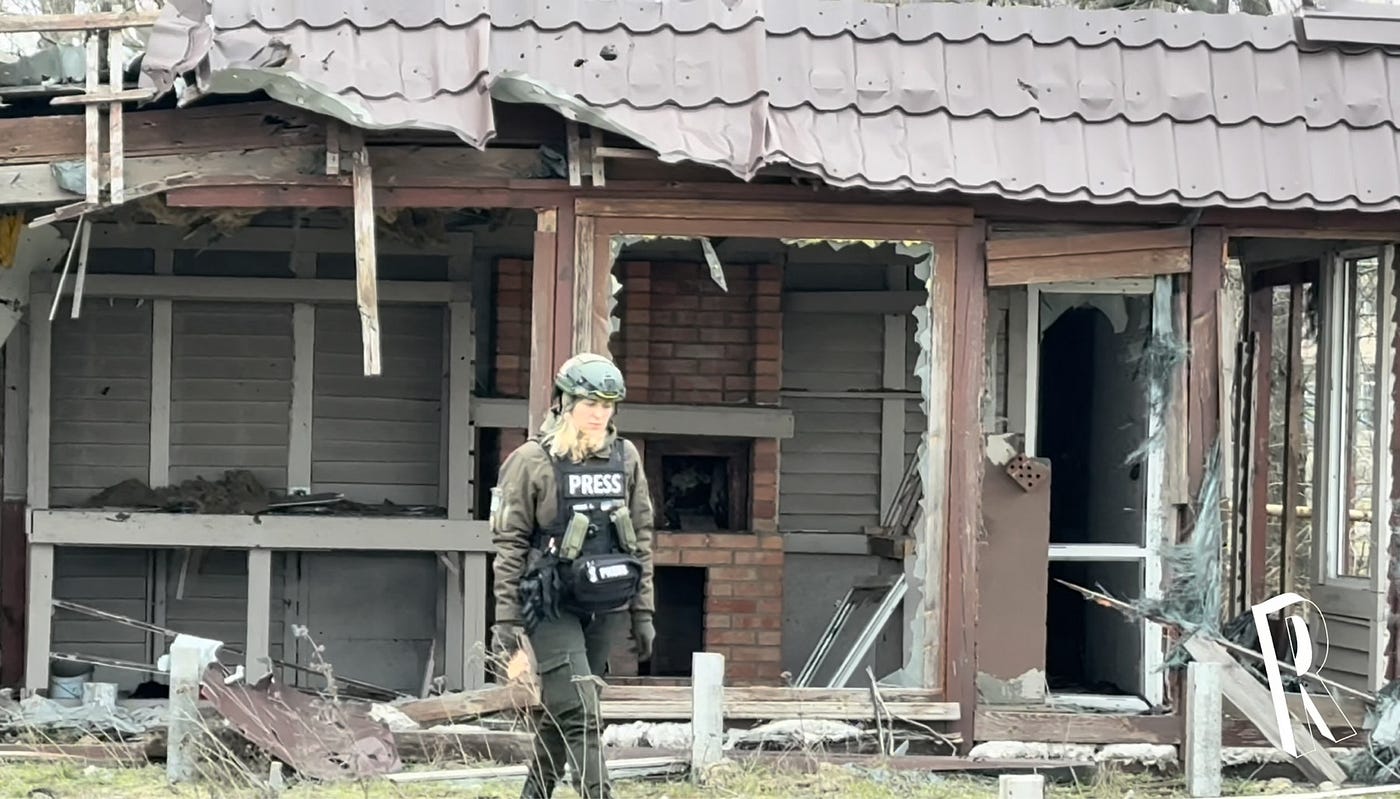
(图:Alla和我在乌克兰赫尔松的杀戮区报道 – 版权所有,Giorgio Provinciali)
因此,后方地区的概念也随之消散了。当前线成为立体时,进攻方不再只是推动一条线。他们必须设法渗透入层与层之间:在无人机下方、废墟内、传感器盲区、电子战覆盖的缺口、防御结构的褶皱里、在夜间、轮换时段行动,以及一个情报监视与侦察(ISR)节点间的空隙里。
如果再加入第四个隐含变量:时间,这种三维战场观又多了一层,有助于解释莫斯科为何并未放弃“绞肉机”,而是将其调整以适应新的战争形态。
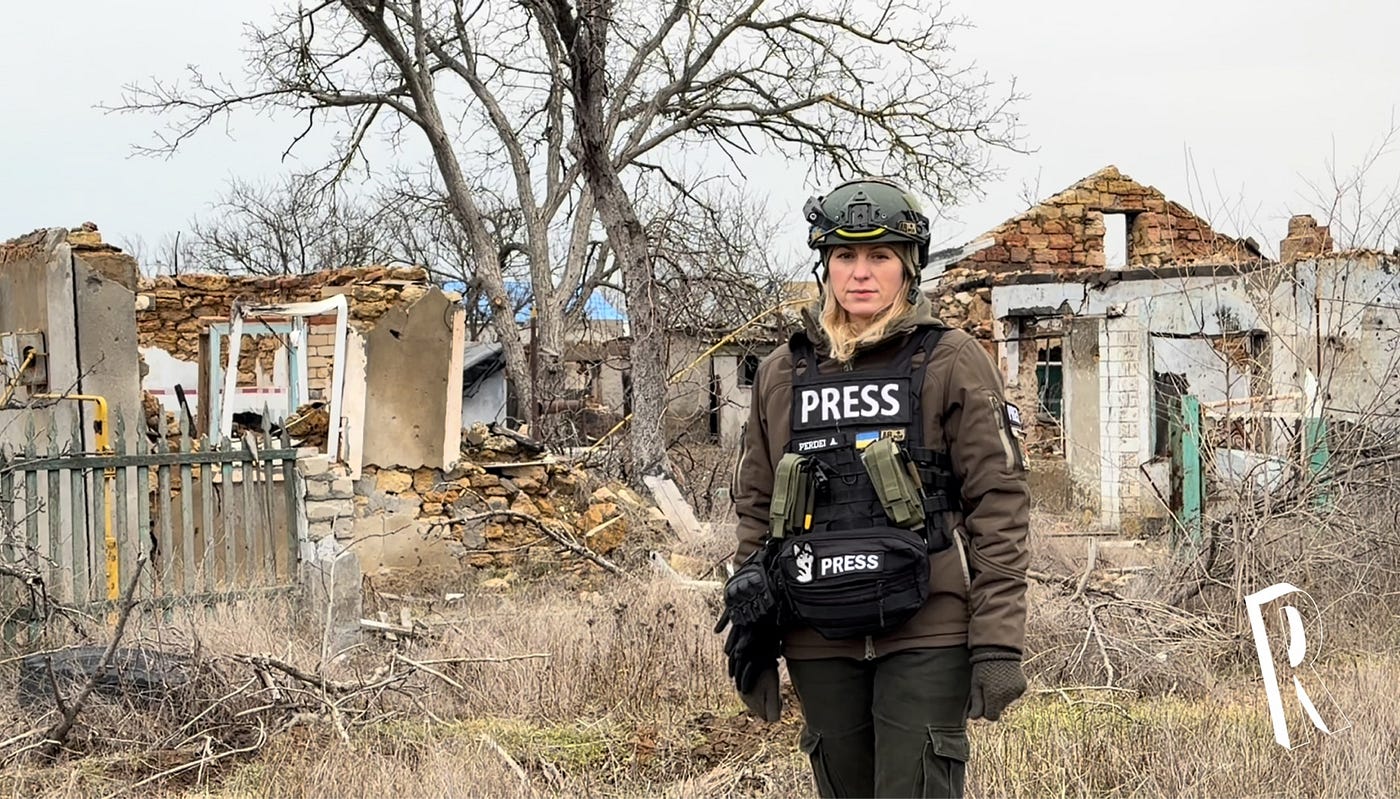
(图:Alla和我一起在乌克兰赫尔松的杀戮区为意大利报纸“La Ragione”报道——版权所有,Giorgio Provinciali)
鉴于在极短时间内看到大量人员损失,补充损失变得不可能,莫斯科把步兵分散成小组,将他们分散在灰色地带,削弱他们的通信,在夜间移动,并用无人机作为眼睛和向导将其连接起来。还有战术时序问题,它影响我们在一线经历的事件,取决于无人机延迟、击杀链速度以及识别渗透小组、传递目标位置、分配目标并实施打击所需的周期长度等因素。
在这个立体的战场,能够缩短发现到毁灭之间间隔的一方占优势。俄罗斯的目标是通过降低自身特征来生存;乌克兰的目标是通过减少时延来取胜。
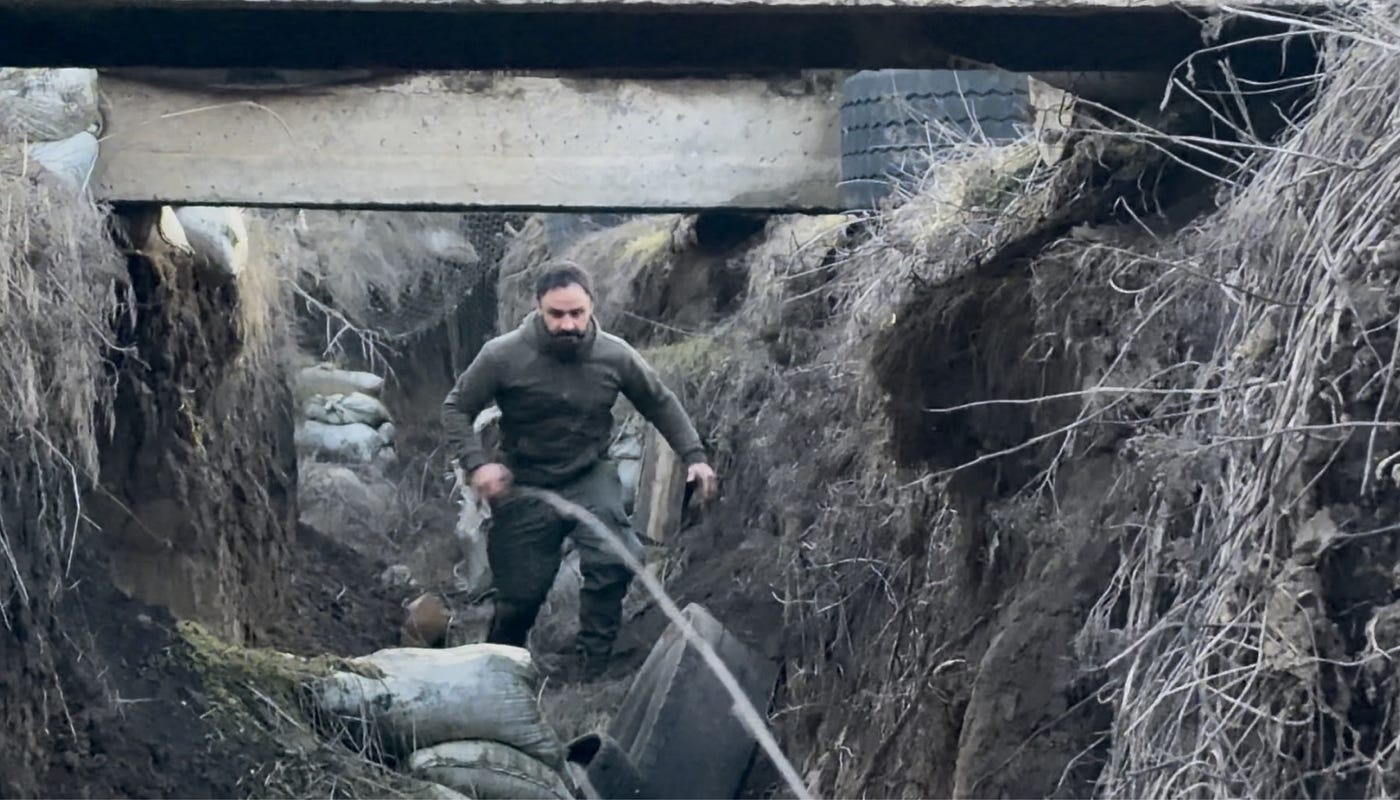
(图: Alla的人体摄像头拍摄的我在一个乌克兰战壕内奔跑——版权所有,Giorgio Provinciali)
对外界观察者而言,俄罗斯渗透行动可能看起来是新战术,但实际上它们是对愈发透明战场的被迫回应,其渗透深度由这种透明度来衡量。
在地下,隧道穿过占领者十二年来未能征服的堡垒带,还有那些输气管线,类似库皮扬斯克附近的天然气管道,他们试图在火焰、洪水和山体滑坡中渗透,常常最终被困在死胡同隧道中。地面布满传感器、被动地雷,现又有了主动式地雷,如“沉睡”无人机,以及数量日增的乌克兰无人单元,这些无人单元不会流血,但正如泽连斯基总统两周前提到的,历史上首次有机器人夺取了若干俄军阵地,迫使占领者投降。低空有回旋弹药和FPV(第一人称视角)无人机,包括光纤型,护卫步兵行动,在废墟、植被与低洼地带中的隐蔽推进。中空有气球、侦察无人机、中继与无线节点支持火力校正与持续观察,使得工事、土堤、反坦克刺桩、栅栏与部队调动得以被监控并实时调整。高空有远程无人机、导弹、滑翔炸弹、雷达与防空系统运作。所有这些之上与周围是电磁频谱,虽不可见却影响每一层级。
形态变了,但逻辑仍是消耗人力,莫斯科通过不再追求即时突破而是逐步渗透来将其细粒化。
(视频:Alla和我在乌克兰赫爾松录制了這段影片——版权所有,Giorgio Provinciali)
从人浪战术转向微渗透是传统前线所面临危机的根本所在。莫斯科继续使用可牺牲的部队来消耗乌克兰的无人机、ISR能力以及乌克兰操作员的指挥时间,后者被迫发现、追踪、追击并消灭这些渗透小组。这些小股炮灰由无人机引导与支援,以减轻地面指挥负担,将控制权上移。正如我在多布罗皮利亚所述,这些可牺牲单位能渗透、扰乱、迂回并占用乌克兰注意力,但若没有预备队、后勤、火力、装备、工兵、轮换与巩固能力,它们无法单独产生战略性突破。
(图:我在乌克兰顿涅茨克顿巴斯的乌克兰驻扎地——版权所有,Giorgio Provinciali)
只需浏览Delta监视器上“三叉戟武装力量互操作性核心系统”的实时影像,就足以看出俄罗斯的“绞肉机”一点也没有消失,而是改变了,适应了一种不再允许莫斯科以过去那种粗暴方式碾碎人力的新环境。
然而,把人群分散到空间中、把整体拆解成微单元,并不意味着更现代或浪费减少的新方式。
战场不再单纯奖励规模。它迫使规模分解。
但通过碎片化,俄罗斯的整体力量却失去效率:更多攻击、占领更少领土、每平方公里的人力消耗更多。
这就是无人机时代的“绞肉机”:不再是碾压防线的巨大人浪,而是在受监控区域内成千上万个小冲击,每前进一步的成本都比上一步更高。
(图:Alla与我在乌克兰苏梅的杀戮区报道时躲藏无人机——版权所有,Giorgio Provinciali)
莫斯科并未停止消耗人力;它只是在付出惨痛教训后学会了以更小剂量这样做,而这一切都发生在一个因无人机广泛使用而变得过于透明、无法再容纳传统人海战术的灰色地带之中。
《电讯报》关于俄方战术出现某种近乎理性或人性化演变的看法是错误的。没有什么比这更不人道。
等式很直接:无法弥补的损失+日益广泛的乌克兰监视 = 无法集中大规模部队,否则甚至在接触前就会被摧毁。
(图:我从乌克兰扎波罗热的乌克兰防线报道——版权所有,Giorgio Provinciali)
***
在1532天的战争中,我们从前线录制了250多段视频,并撰写了1500多篇文章。
我们尽最大努力从几乎没有媒体敢进入的地带进行真实的一手报道,这意味着我们长期生活在“杀伤区”。我们承担风险,但若没有你们宝贵的支持,我们的声音将无从传出。若没有远方的勇敢的人们转发分享我们的文章,它们将无人问津。我们的报道会被忽视,我们的努力将付诸流水。这里还有大量工作要做,周围的人们境况同样艰难。
我们正在更新筹款活动,感谢每一位加入我们、帮助修复俄罗斯破坏的人们。仅靠一家勇敢的报纸为我们每篇文章支付微薄稿酬以维持前线报道极为困难。因此,我们感激所有支持并信任我们使命的善良人们。
哪怕是小小的捐助也有助益。
我们会持续为你们更新事态进展。
谢谢大家,亲爱的朋友们
如果你认可我们的工作,请支持我们
在过去三年里,自乌克兰大规模战争爆发以来,作为自由撰稿人,我们一直在乌克兰战争的所有前线进行报道…
Paypal捐款链接:https://www.paypal.com/pools/c/9oqgW5u5oE
咲媱
2026-05-08 07:35:39肉馅不够了!